Knee replacement surgery has come a long way in recent years, thanks to continuous advancements in medical technology. These innovations are enhancing surgical precision, reducing recovery time, and improving overall patient outcomes. If you or a loved one is considering knee replacement, understanding the latest developments can help you make an informed decision.
Traditional knee replacement surgeries required large incisions, leading to longer recovery times. However, modern minimally invasive techniques use smaller incisions, reducing tissue damage and allowing for quicker rehabilitation. This means less pain, shorter hospital stays, and a faster return to daily activities.
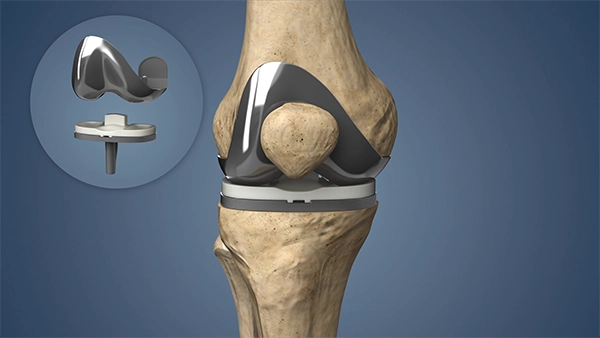
Older knee implants had a limited lifespan, requiring revision surgeries after 10–15 years. Today, advancements in implant materials, such as high-performance ceramics and highly cross-linked polyethylene, offer greater durability, reducing wear and tear. Patients can now expect their knee implants to last longer, providing extended relief from joint pain.
Every patient’s knee structure is unique, and customized knee implants ensure a more natural feel and function. Using 3D imaging and printing technology, surgeons can design implants that match the patient’s specific anatomy, improving comfort and mobility post-surgery.
One of the biggest breakthroughs in knee replacement is the use of computer-assisted navigation. This technology helps surgeons achieve better alignment and positioning of implants, which is crucial for long-term success. Precise placement reduces complications, enhances mobility, and improves overall joint stability.
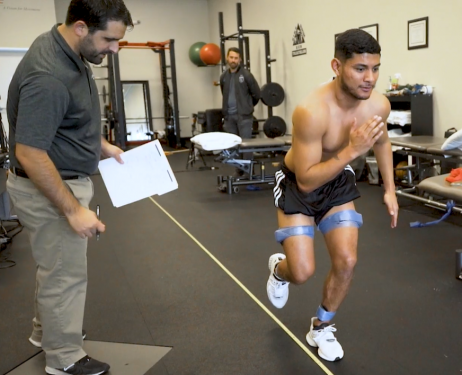
Enhanced recovery after surgery (ERAS) protocols focus on early mobility, pain management, and rehabilitation to get patients back on their feet faster. Personalized physiotherapy programs and advanced pain relief techniques help patients regain movement quickly, reducing dependence on painkillers and long-term therapy.
While not yet universally available, robot-assisted knee replacement is gaining traction. Robotics allows for an unparalleled level of precision, ensuring optimal implant placement and reducing the risk of complications. Artificial Intelligence (AI) is also being used to predict patient outcomes and personalize surgical approaches, leading to more successful results.
With these advancements, knee replacement surgery is now safer, more efficient, and longer-lasting than ever before. If you’re experiencing persistent knee pain and limited mobility, consulting an orthopedic specialist can help you explore the best treatment options available today.
Considering knee replacement? Stay informed about the latest innovations and choose the best approach for your needs.
Ask your doctor about the specific surgery and recovery process. When you know what to expect, you can alleviate anxiety and prepare effectively.
Remember, every individual’s recovery is unique, and listening to your body is essential. Following these tips and maintaining a positive attitude can enhance your chances of a successful and swift recovery from any joint surgery.
Need personalized advice or a consultation? Schedule an appointment with Dr. Jayaprasad today to ensure a smooth recovery process!
Schedule Appointment
H.No: 3-12-92/195 /EP/ER Road No 3, 2nd Cross Rocktown Colony, LB Nagar, Hyderabad 500063
+91 8096232323
drjportho@yahoo.com