Joint pain can be a debilitating issue, affecting mobility and quality of life. With advancements in regenerative medicine, Platelet-Rich Plasma (PRP) therapy has emerged as a promising treatment option. But does PRP therapy truly work for joint pain? Let’s explore the science behind it and understand its effectiveness.
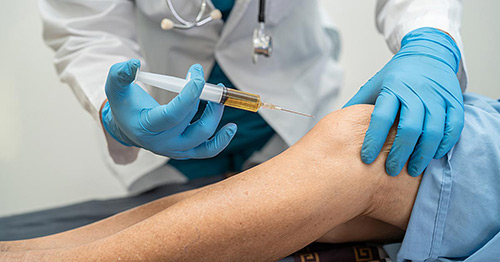
PRP therapy involves extracting a small amount of the patient’s blood, processing it to concentrate platelets, and then injecting it into the affected joint. Platelets are rich in growth factors, which help repair damaged tissues, reduce inflammation, and promote healing.
PRP contains bioactive proteins and growth factors that:
Several studies have highlighted PRP’s benefits for joint conditions like osteoarthritis and tendon injuries:
PRP therapy is ideal for individuals suffering from:
While PRP therapy shows promising results, it’s important to note that:
PRP therapy is an innovative, minimally invasive treatment that offers a natural approach to managing joint pain. While scientific studies support its effectiveness, results can vary from patient to patient. Consulting a specialist can help determine if PRP therapy is the right option for your joint health.
For expert guidance on PRP therapy and joint pain management, consult Dr. Jaya Prasad today!
Ask your doctor about the specific surgery and recovery process. When you know what to expect, you can alleviate anxiety and prepare effectively.
Remember, every individual’s recovery is unique, and listening to your body is essential. Following these tips and maintaining a positive attitude can enhance your chances of a successful and swift recovery from any joint surgery.
Need personalized advice or a consultation? Schedule an appointment with Dr. Jayaprasad today to ensure a smooth recovery process!
Schedule Appointment
H.No: 3-12-92/195 /EP/ER Road No 3, 2nd Cross Rocktown Colony, LB Nagar, Hyderabad 500063
+91 8096232323
drjportho@yahoo.com